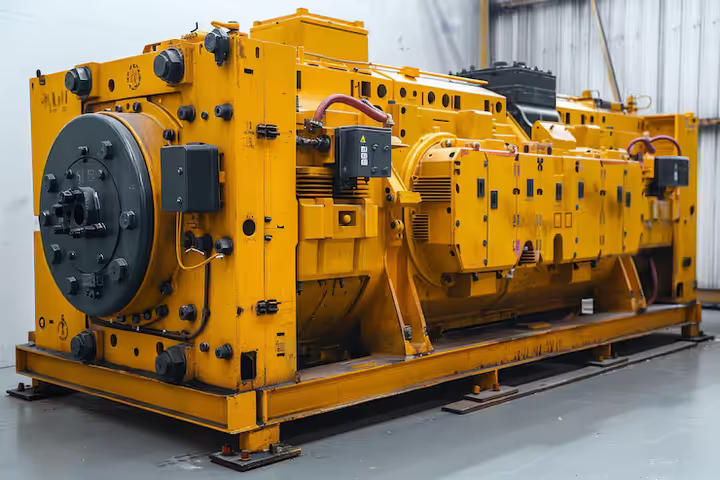
Industrial Generators Overview: Power Solutions for Modern Industries
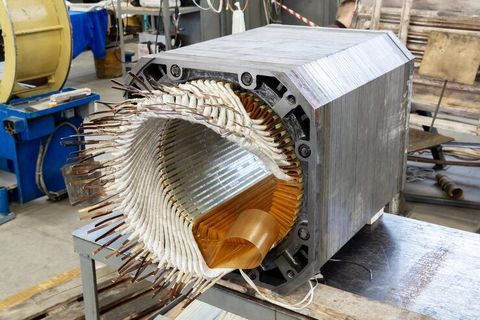
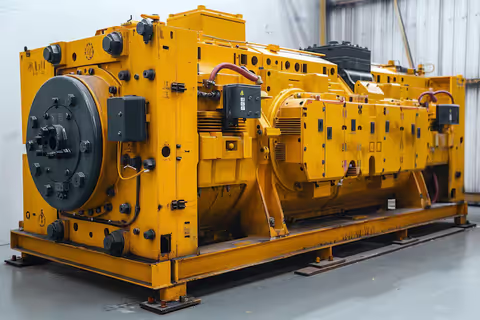
Industrial generators are large-scale power systems designed to supply electricity when grid power is unavailable or unstable. They exist to support industries that depend on continuous electrical supply for safety, productivity, and operational stability. Unlike small residential units, these systems are built for high-capacity output and long-duration operation.
Industries such as manufacturing, healthcare, data handling, infrastructure development, and logistics rely on industrial generators to maintain essential processes. Power interruptions can disrupt automated systems, damage sensitive equipment, and interrupt critical operations. Industrial generators help reduce these risks by providing an independent and controlled source of electricity.
These systems usually operate using diesel, natural gas, or hybrid energy sources. They are engineered to integrate with existing industrial power systems, allowing automatic or manual switching when grid supply fluctuates. Over time, industrial generators have evolved from basic mechanical units into advanced power management solutions with digital monitoring and efficiency controls.
Why Industrial Generators Matter in Today’s Economy
Industrial generators play a significant role in supporting modern economic activity. As industries expand and digitization increases, dependency on uninterrupted power has become more critical than ever.
Key groups affected include:
-
Manufacturing facilities operating automated production lines
-
Hospitals and medical infrastructure using life-support equipment
-
Data centers handling cloud computing and digital storage
-
Transportation hubs such as ports, railways, and airports
-
Water treatment and utility infrastructure
The main problems industrial generators help address include:
-
Grid instability caused by peak demand or aging infrastructure
-
Power disruptions due to extreme weather events
-
Voltage fluctuations that affect sensitive industrial equipment
-
Energy reliability in remote or developing industrial zones
Below is a simplified table showing how different sectors depend on industrial power solutions:
| Industry Sector | Power Dependency Level | Common Power Risks Addressed |
|---|---|---|
| Manufacturing | Very High | Automation failure, downtime |
| Healthcare | Critical | Patient safety, equipment risk |
| Data Infrastructure | Very High | Data loss, system crashes |
| Construction & Mining | High | Remote power access |
| Utilities | Critical | Service continuity |
Industrial generators contribute to operational resilience by acting as a safeguard against unpredictable energy conditions. Their importance continues to grow as industries become more interconnected and energy-intensive.
Recent Developments and Industry Trends (2025)
Over the past year, industrial generator technology has seen notable changes driven by efficiency goals, digital integration, and environmental considerations.
In early 2025, several manufacturers introduced advanced generator control systems that integrate with industrial Internet of Things (IIoT) platforms. These systems allow real-time monitoring of load performance, fuel efficiency, and maintenance indicators through centralized dashboards.
Another significant trend is the increased use of hybrid generator systems. These combine conventional fuel-based generators with renewable energy inputs such as solar arrays and battery storage. Reports published in mid-2025 highlight that hybrid industrial power systems are being adopted to stabilize energy output while improving fuel optimization.
Emission compliance has also influenced design updates. Throughout 2024 and 2025, newer generator models have incorporated improved exhaust treatment systems and optimized combustion processes. These changes align with stricter environmental standards adopted in many industrial regions.
The following chart-style overview summarizes recent trends:
| Trend Area | Direction (2024–2025) |
|---|---|
| Digital monitoring | Increasing adoption |
| Hybrid power integration | Rapid growth |
| Fuel efficiency focus | Strong emphasis |
| Emission optimization | Regulatory-driven |
| Predictive maintenance | Expanding use |
These updates reflect a broader shift toward smarter and more efficient industrial power infrastructure.
Regulatory Frameworks and Policy Influence
Industrial generators are influenced by national and regional regulations related to emissions, safety, and energy usage. Governments often define standards to ensure that industrial power equipment operates within acceptable environmental and operational limits.
Common regulatory areas include:
-
Emission control norms for nitrogen oxides and particulate matter
-
Noise level limits in industrial and semi-urban zones
-
Fuel storage and handling guidelines
-
Workplace safety standards for electrical equipment
In many countries, energy policies introduced between 2023 and 2025 encourage industries to adopt cleaner and more efficient power solutions. Some regulations promote integration with alternative energy sources, while others focus on reporting and monitoring emissions data.
Industrial facilities are typically required to maintain compliance documentation, including inspection records and operational logs. These policies are designed to balance industrial growth with environmental responsibility and worker safety.
Understanding regulatory requirements helps organizations plan power infrastructure that aligns with long-term compliance expectations.
Practical Tools and Informational Resources
Several tools and resources support better understanding and management of industrial generators. These are mainly educational, analytical, or monitoring-focused and are commonly used by engineers, planners, and facility managers.
Helpful resources include:
-
Power load calculation software for industrial facilities
-
Generator sizing calculators based on equipment demand
-
Digital dashboards for performance and efficiency tracking
-
Industry standards documentation from energy authorities
-
Technical guides on industrial power system integration
Below is an example of how generator sizing tools are typically used:
| Input Parameter | Purpose |
|---|---|
| Total connected load | Determines base capacity |
| Peak load requirement | Prevents overload |
| Load growth forecast | Supports future planning |
| Power factor data | Improves efficiency estimation |
These resources help users make informed decisions about capacity planning, efficiency optimization, and operational reliability.
Common Questions About Industrial Generators
What is the main function of an industrial generator?
An industrial generator provides electrical power during grid interruptions or in locations where grid access is limited. It supports continuous operation of essential industrial systems.
How do industrial generators differ from smaller power units?
Industrial generators are designed for higher output, longer runtime, and integration with complex electrical systems. They also include advanced monitoring and control features.
What fuels are commonly used in industrial generators?
Diesel and natural gas are widely used due to their energy density and availability. Hybrid configurations may also include renewable energy components.
How are industrial generators monitored during operation?
Modern systems use digital sensors and control panels that track load performance, temperature, fuel usage, and maintenance indicators in real time.
Are industrial generators affected by environmental regulations?
Yes. Emission limits, noise standards, and fuel handling rules directly influence generator design and operation.
Conclusion
Industrial generators remain a foundational component of modern industrial infrastructure. They exist to ensure operational stability, protect critical systems, and support industries facing power reliability challenges. As technology advances, these systems are becoming smarter, more efficient, and better aligned with environmental and regulatory expectations.
Recent developments in digital monitoring, hybrid power integration, and emission optimization highlight a shift toward sustainable and data-driven industrial power solutions. Regulatory frameworks continue to guide how these systems are designed and operated, ensuring safety and environmental responsibility.
By understanding the context, importance, recent trends, and available resources related to industrial generators, readers can gain a clear and factual perspective on how these power systems support modern industries without interruption.