Luxury Villas in Thailand: A Complete Guide to Premium Living and Stays
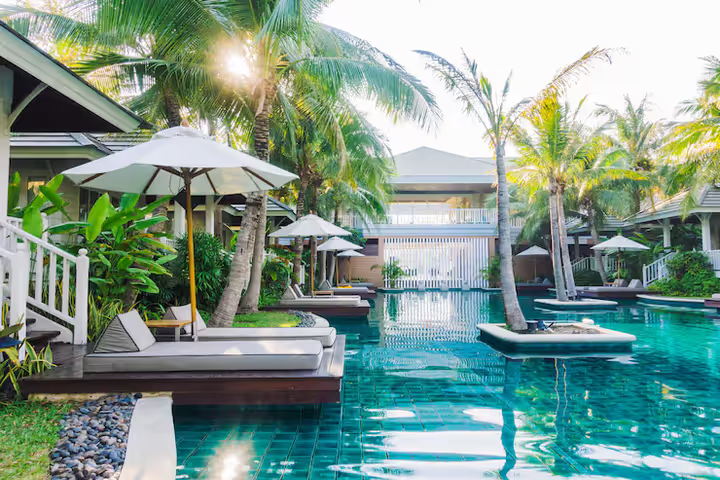
Luxury villas in Thailand represent a segment of high-end residential properties designed for spacious living, privacy, and comfort. These villas are typically located in coastal regions, island destinations, and select urban areas, offering architectural design that blends modern features with local influences. The concept exists to meet the needs of individuals and families seeking premium living environments that provide independence, exclusivity, and long-term usability rather than short hotel-style stays.
Thailand’s appeal as a global destination for premium housing has grown due to its climate, infrastructure development, and international accessibility. Areas such as Phuket, Koh Samui, Pattaya, and Bangkok have become reference points for luxury villa development, combining natural surroundings with modern conveniences.
Importance: Why Luxury Villas Matter Today
Luxury villas in Thailand matter because they address evolving lifestyle preferences. Many individuals now prioritize space, privacy, and flexibility in living arrangements. Villas provide an alternative to dense residential buildings, supporting a more controlled and personalized living environment.
This topic affects:
-
Long-term residents seeking premium housing
-
International families spending extended time in Thailand
-
Remote professionals looking for private living spaces
-
Property researchers analyzing luxury real estate trends
Luxury villas help solve challenges such as overcrowding, lack of privacy, and limited living space. They also support lifestyle continuity by offering amenities like private gardens, dedicated workspaces, and independent utilities, which are increasingly valued in modern living.
Recent Updates: Trends and Developments (2024–2025)
Over the past year, Thailand’s luxury villa landscape has seen notable changes. In early 2024, several coastal provinces reported increased completion of low-density villa projects, reflecting demand for private residential formats. Sustainability has become a visible trend, with newer villas integrating energy-efficient designs, improved insulation, and water management systems.
By mid-2024, digital infrastructure improvements, including expanded fiber internet coverage in island regions, supported the growing demand for villas suitable for long-term stays and remote work. In late 2024, architectural trends shifted toward minimalist layouts combined with traditional Thai elements, emphasizing natural ventilation and open-plan living.
These updates highlight how luxury villas continue to adapt to lifestyle and environmental considerations rather than focusing solely on aesthetics.
Laws and Policies Affecting Luxury Villas in Thailand
Luxury villas in Thailand are influenced by national property regulations and local zoning rules. Foreign individuals are generally restricted from owning land outright. However, long-term leasehold arrangements, typically structured for up to 30 years with renewal options, are commonly used for villa occupancy.
Key regulatory aspects include:
-
Land ownership laws governed by Thai property regulations
-
Zoning requirements that control building height and land use
-
Environmental regulations, especially in coastal and island areas
-
Registration and documentation processes through local land offices
Government oversight ensures that villa developments comply with planning standards, environmental protections, and community guidelines. These frameworks aim to balance development with sustainability and legal clarity.
Tools and Resources for Understanding Luxury Villas
Several tools and resources support research and understanding of luxury villas in Thailand. These platforms provide insights into regulations, design standards, and regional characteristics.
Helpful resources include:
-
Thailand Land Department portals for legal references
-
Property market research websites offering regional data
-
Architectural planning tools for layout visualization
-
Currency and mortgage calculators for financial understanding
-
Mapping platforms to analyze location accessibility and infrastructure
Using these tools can improve clarity when evaluating luxury villa options and understanding regional differences.
Data Overview: Luxury Villa Characteristics by Region
| Region | Typical Villa Size | Common Features | Environment Type |
|---|---|---|---|
| Phuket | Large | Private pools, sea views | Coastal |
| Koh Samui | Medium to Large | Hillside layouts, open terraces | Island |
| Pattaya | Medium | Gated communities, modern designs | Coastal Urban |
| Bangkok Outskirts | Medium | Enclosed gardens, city access | Suburban |
Lifestyle Focus Comparison
| Feature Focus | Luxury Villas | Standard Apartments |
|---|---|---|
| Privacy Level | High | Moderate |
| Living Space | Expansive | Limited |
| Outdoor Areas | Private | Shared or Minimal |
| Customization | Flexible | Restricted |
Frequently Asked Questions
Are luxury villas in Thailand suitable for long-term living?
Yes. Many luxury villas are designed for extended occupancy, offering full kitchens, storage, and private utilities that support daily living needs.
Do luxury villas follow sustainability standards?
Recent developments increasingly include energy-efficient systems, natural ventilation, and environmentally conscious materials, especially in projects completed after 2024.
Are luxury villas available in urban areas?
Yes. While commonly found in coastal regions, luxury villas also exist in suburban zones around major cities, providing privacy with urban access.
How are luxury villas regulated in Thailand?
They are subject to land use laws, building regulations, and environmental policies enforced by national and local authorities.
What type of residents typically choose luxury villas?
Residents often include families, long-term international visitors, and individuals seeking spacious and private living environments.
Conclusion
Luxury villas in Thailand represent a structured response to modern living preferences that emphasize space, privacy, and adaptability. Supported by evolving infrastructure, regulatory frameworks, and sustainable design trends, these villas continue to hold relevance in Thailand’s residential landscape. Understanding their context, legal environment, and recent developments allows readers to gain a clear and factual perspective on premium living options without promotional influence.