Industrial Assembly Lines: A Simple Guide to How Modern Manufacturing Works
Industrial assembly lines are organized production systems where products move through a sequence of workstations, with each station responsible for a specific task. This approach allows manufacturers to produce complex goods in a structured, repeatable way. Assembly lines were developed to replace slow, manual production methods that depended on individual craftsmanship and limited output.
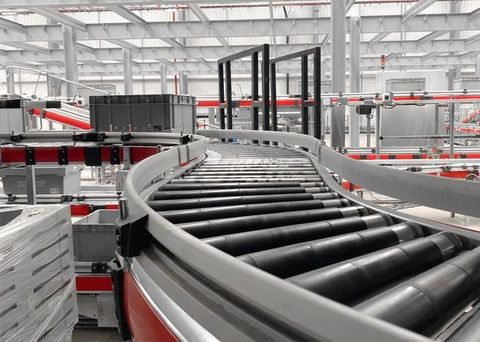
The concept became widely known in the early 20th century when standardized parts and conveyor systems were introduced. Since then, industrial assembly lines have evolved into highly coordinated environments that combine machinery, human skills, and digital control systems. Today, they are a core element of modern manufacturing across industries such as automotive, electronics, consumer goods, and industrial equipment.
At their core, assembly lines exist to improve consistency, accuracy, and production flow. By dividing work into smaller, clearly defined steps, manufacturers can ensure that each product meets predefined quality standards while maintaining steady output levels.
Importance: Why Industrial Assembly Lines Matter Today
Industrial assembly lines play a major role in today’s global economy. They support large-scale manufacturing while maintaining reliability and precision. As consumer demand grows and product designs become more complex, structured production systems help manufacturers keep processes stable and predictable.
These systems affect a wide range of stakeholders, including manufacturers, supply chain partners, quality inspectors, and end users. A well-designed assembly line helps reduce production delays, minimizes material waste, and improves overall manufacturing efficiency.
Key problems addressed by industrial assembly lines include:
-
Inconsistent product quality caused by manual variation
-
Production bottlenecks that slow down output
-
Difficulty in scaling manufacturing operations
-
Limited visibility into process performance
By using industrial automation systems, sensors, and standardized workflows, assembly lines help address these challenges. They also support data-driven decision-making, allowing manufacturers to monitor performance and identify areas for process optimization.
Recent Updates: Trends and Developments in the Past Year
Over the past year, industrial assembly lines have continued to adapt to technological and operational changes. Several notable developments have influenced how modern manufacturing systems operate.
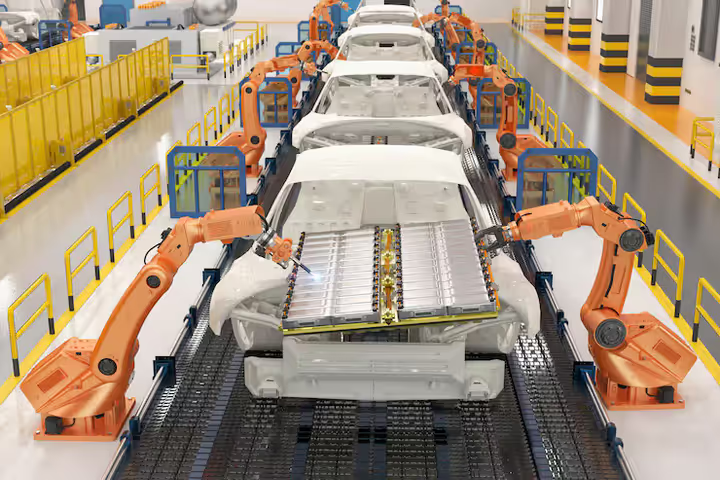
In March 2025, many manufacturing firms expanded the use of collaborative robots, often called cobots, to support human workers on assembly lines. These machines are designed to operate safely alongside people, handling repetitive or precision-based tasks while workers focus on supervision and quality checks.
In July 2025, digital twin technology gained wider adoption. Digital twins are virtual models of physical assembly lines that allow manufacturers to simulate process changes before applying them in real facilities. This trend has helped reduce downtime during system upgrades.
By October 2025, there was increased attention on energy-efficient production lines. Manufacturers began integrating smart energy monitoring tools into assembly systems to track power usage and reduce unnecessary consumption, aligning production goals with environmental standards.
These updates show a clear shift toward flexible, data-connected, and resource-aware assembly line design.
Laws or Policies: How Regulations Influence Assembly Lines
Industrial assembly lines are shaped by various laws, standards, and government programs that focus on safety, quality, and sustainability. While specific regulations vary by country, several common policy areas affect assembly line operations.
Workplace safety regulations require manufacturers to design assembly lines that minimize physical risk. These rules often address machine guarding, emergency stop systems, and ergonomic workstation design.
Environmental policies influence how assembly lines manage waste, emissions, and energy use. Many governments encourage the adoption of cleaner production technologies through compliance frameworks and reporting requirements.
In recent years, industrial modernization programs have also played a role. These initiatives support the adoption of advanced manufacturing technologies, including automation and digital monitoring, to improve national manufacturing competitiveness.
Compliance with these policies helps ensure that assembly lines operate responsibly while maintaining consistent production standards.
Tools and Resources: Useful Support for Assembly Line Management
A wide range of tools and resources support the planning, operation, and improvement of industrial assembly lines. These tools help manufacturers analyze performance and maintain stable workflows.
Commonly used resources include:
-
Manufacturing execution systems for real-time process monitoring
-
Industrial automation software for machine coordination
-
Production flow simulation platforms
-
Quality control dashboards and analytics tools
-
Maintenance scheduling and asset tracking systems
Below is a simple table showing examples of assembly line tools and their general purpose:
| Tool Category | Primary Function |
|---|---|
| Process Monitoring Systems | Track production flow and output |
| Automation Controllers | Coordinate machines and conveyors |
| Quality Analysis Platforms | Identify defects and variations |
| Energy Monitoring Tools | Measure and optimize power usage |
| Simulation Software | Test layout and process changes |
These resources help manufacturers maintain clarity across complex production environments.
Assembly Line Types and Layout Overview
Industrial assembly lines can be designed in different formats depending on the product and production volume. Each layout has specific characteristics that support different manufacturing goals.
Common assembly line layouts include:
-
Straight-line assembly for high-volume standardized products
-
U-shaped layouts that improve communication and flexibility
-
Modular assembly lines designed for product variation
-
Automated lines with minimal manual intervention
The choice of layout influences efficiency, space usage, and adaptability. Manufacturers often evaluate production requirements and material flow before selecting an appropriate design.
Performance Indicators in Modern Assembly Lines
To understand how well an assembly line performs, manufacturers rely on measurable indicators. These metrics help track efficiency, quality, and stability over time.
A simplified view of common performance indicators is shown below:
| Indicator | What It Measures |
|---|---|
| Throughput Rate | Units completed per time period |
| Downtime Frequency | Unplanned production stops |
| Defect Ratio | Output quality consistency |
| Cycle Time | Time taken per assembly step |
Monitoring these indicators supports continuous improvement and informed decision-making.
FAQs: Common Questions About Industrial Assembly Lines
What is the main purpose of an industrial assembly line?
The main purpose is to organize production into structured steps that improve consistency, accuracy, and manufacturing efficiency.
Are assembly lines only used in large factories?
No. While common in large facilities, smaller manufacturing units also use scaled-down assembly lines to improve workflow and quality control.
How does automation affect assembly lines?
Automation helps handle repetitive or precise tasks, reduces manual variation, and provides better process monitoring through data collection.
Can assembly lines adapt to product changes?
Yes. Modern assembly lines are increasingly modular and can be adjusted to accommodate design updates or product variations.
Why are digital systems important for assembly lines?
Digital systems provide real-time visibility into operations, helping identify inefficiencies and support process optimization.
Conclusion: Understanding the Role of Assembly Lines in Manufacturing
Industrial assembly lines remain a fundamental part of modern manufacturing. They provide a structured way to transform raw materials into finished products while maintaining quality and efficiency. As technology evolves, assembly lines continue to integrate automation, data analytics, and energy-aware systems.
By understanding how these systems work, their importance, and the tools that support them, readers can gain a clearer view of how everyday products are made. Industrial assembly lines are not static systems; they are dynamic environments that adapt to technological progress, regulatory expectations, and changing production needs.