Cold Storage Solutions: A Complete Guide to Temperature-Controlled Storage
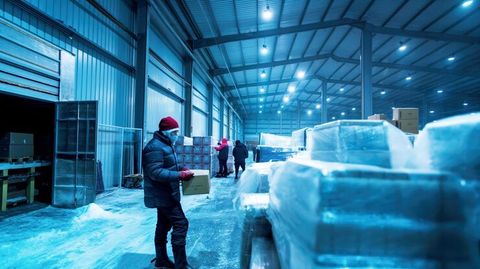
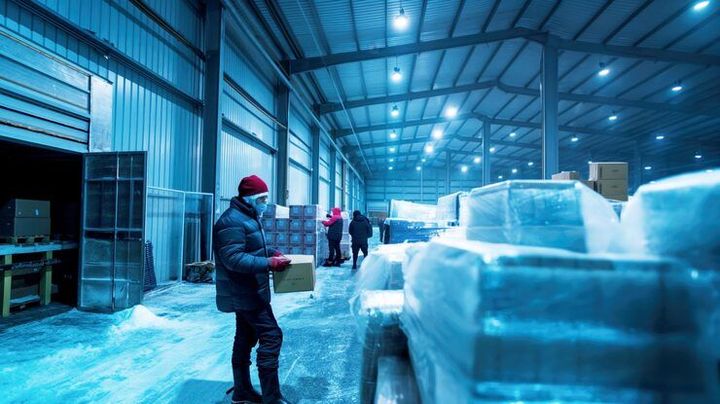
Cold storage solutions refer to temperature-controlled environments designed to preserve perishable and sensitive goods. These systems maintain specific temperature and humidity levels to slow biological activity, reduce spoilage, and protect product integrity. They exist because many products degrade quickly when exposed to heat, moisture, or fluctuating environmental conditions.
Temperature-controlled storage emerged alongside industrial refrigeration in the early 20th century and expanded rapidly with globalization. As supply chains grew longer and more complex, the need to keep products stable during storage and transit became critical. Today, cold storage solutions are an essential part of logistics, food systems, and healthcare infrastructure.
Common temperature ranges include chilled storage (0°C to 4°C), frozen storage (-18°C or below), and controlled environments for specialized materials. These ranges are carefully selected based on product requirements and scientific preservation standards.
Why Temperature-Controlled Storage Matters Today
Cold storage solutions play a vital role in modern economies and public well-being. They affect multiple sectors and help solve several critical challenges linked to preservation and safety.
Key reasons cold storage matters include:
-
Food security and waste reduction
Proper temperature control significantly slows microbial growth, helping reduce food loss across supply chains. -
Public health and safety
Many pharmaceuticals, vaccines, and biological samples require strict temperature stability to remain effective. -
Global trade efficiency
Temperature-controlled storage allows goods to travel long distances without quality degradation. -
Regulatory compliance
Many industries are legally required to store products within defined temperature thresholds.
The impact extends to farmers, distributors, healthcare providers, researchers, and end consumers. Without reliable cold storage solutions, supply disruptions, safety risks, and economic losses become more frequent.
Recent Developments and Industry Trends (2024–2025)
Over the past year, cold storage solutions have seen notable technological and operational changes driven by efficiency goals and environmental considerations.
Key developments observed since early 2024 include:
-
Energy-efficient refrigeration systems
New compressor designs and advanced insulation materials have improved energy performance and reduced temperature fluctuation risks. -
Automation and data-driven monitoring
Facilities increasingly use sensor-based systems for continuous temperature tracking and predictive maintenance. -
Modular cold storage infrastructure
Flexible, scalable designs have gained attention, allowing storage capacity to adapt to demand variability. -
Sustainability-focused refrigerants
The shift toward low–global warming potential refrigerants accelerated in mid-2024 due to environmental policy updates. -
Integration with cold chain analytics
Data platforms now provide insights into storage conditions, dwell times, and compliance records across facilities.
These updates reflect a broader trend toward transparency, traceability, and environmental responsibility in temperature-controlled storage systems.
Regulations, Standards, and Policy Influence
Cold storage solutions are heavily influenced by regulatory frameworks that aim to ensure safety, quality, and environmental protection. Regulations vary by country, but they generally focus on temperature control, documentation, and facility standards.
Common regulatory themes include:
-
Food safety regulations
Authorities mandate specific storage temperatures for perishable goods to prevent contamination and spoilage. -
Pharmaceutical storage guidelines
Temperature-controlled storage is required to maintain product stability throughout shelf life. -
Environmental compliance
Policies increasingly regulate refrigerant use, energy consumption, and emissions from refrigeration systems. -
Traceability and record-keeping
Digital temperature logs and audit trails are often required for compliance verification.
In many regions, government programs introduced between 2023 and 2025 have supported infrastructure modernization, particularly in agricultural cold storage. These initiatives aim to strengthen supply chains and reduce post-harvest losses while aligning with sustainability targets.
Tools and Resources Related to Cold Storage Management
Managing temperature-controlled storage effectively relies on a range of technical tools and informational resources. These support planning, monitoring, and compliance without focusing on commercial transactions.
Helpful resources include:
-
Temperature monitoring dashboards
Platforms that visualize real-time and historical temperature data. -
Cold chain calculators
Tools used to estimate thermal load, storage duration limits, and temperature recovery times. -
Compliance documentation templates
Structured formats for recording inspections, maintenance, and temperature logs. -
Industry reference guides
Publications outlining best practices for temperature-controlled environments. -
Risk assessment frameworks
Methodologies to evaluate vulnerabilities in cold storage operations.
These resources help organizations maintain consistency, accuracy, and accountability across storage operations.
Common Temperature Ranges and Typical Applications
| Storage Type | Temperature Range | Typical Applications |
|---|---|---|
| Chilled storage | 0°C to 4°C | Fresh produce, dairy, beverages |
| Frozen storage | -18°C to -25°C | Frozen foods, long-term preservation |
| Ultra-low storage | Below -60°C | Biological samples, research materials |
| Controlled atmosphere | Variable with gas control | Fruits, sensitive agricultural products |
This table highlights how different temperature ranges align with preservation requirements.
Key Components of a Cold Storage System
A temperature-controlled storage environment typically includes the following elements:
-
Refrigeration units that regulate internal temperature
-
Insulated structures that minimize heat transfer
-
Monitoring sensors for continuous environmental tracking
-
Backup systems to maintain stability during power disruptions
Each component contributes to maintaining consistent conditions and reducing operational risks.
Frequently Asked Questions About Cold Storage Solutions
What is the main purpose of cold storage solutions?
The primary purpose is to maintain stable temperatures that slow degradation, preserve quality, and ensure safety for temperature-sensitive goods.
How does temperature-controlled storage reduce waste?
By slowing microbial growth and chemical reactions, cold storage extends usable life and reduces spoilage during storage and distribution.
Are all cold storage facilities the same?
No. Facilities vary by temperature range, capacity, automation level, and compliance requirements depending on the products stored.
Why is temperature monitoring important?
Continuous monitoring helps detect deviations early, supports compliance documentation, and prevents quality loss due to unnoticed temperature shifts.
How do regulations affect cold storage operations?
Regulations define acceptable temperature ranges, documentation practices, and environmental standards, shaping how facilities are designed and managed.
The Role of Data and Analytics in Modern Cold Storage
Recent advancements emphasize data-driven decision-making. Analytics tools process sensor data to identify patterns, forecast maintenance needs, and optimize energy usage. This approach improves reliability while supporting transparency across supply chains.
A simplified view of data flow in cold storage:
| Stage | Data Collected | Purpose |
|---|---|---|
| Intake | Initial temperature readings | Condition verification |
| Storage | Continuous sensor data | Stability monitoring |
| Dispatch | Exit temperature logs | Compliance confirmation |
Such structured data handling strengthens accountability and operational clarity.
Conclusion
Cold storage solutions are a foundational element of modern infrastructure, supporting food systems, healthcare, and global trade. They exist to protect temperature-sensitive goods from degradation and safety risks while enabling longer storage and wider distribution.
Recent developments highlight a shift toward efficiency, automation, and sustainability, reflecting broader economic and environmental priorities. Regulations and standards continue to shape how temperature-controlled storage is implemented, ensuring consistency and public protection.
By understanding the principles, tools, and regulatory context behind cold storage solutions, readers can better appreciate their role in everyday life and the systems that keep essential goods safe and stable.