A Complete Guide to Warehouse Racking Systems: Types, Uses, and Benefits
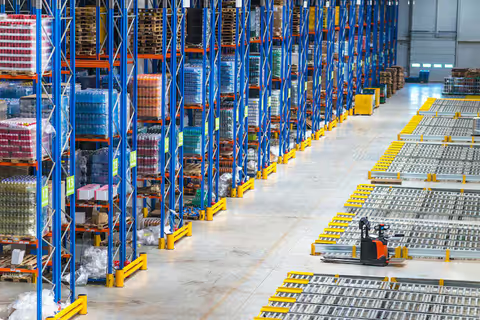
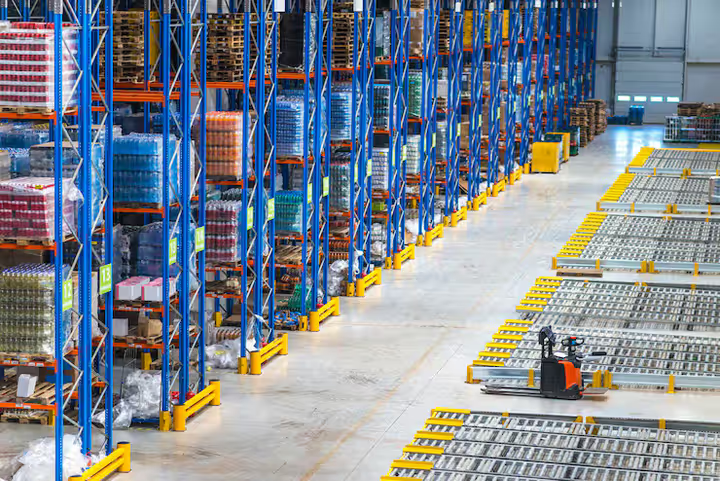
Warehouse racking systems are structured frameworks designed to store goods efficiently within a warehouse or storage facility. These systems help optimize space, improve inventory management, and maintain accessibility to stored materials. Racking systems are essential in modern logistics and supply chain operations where efficient space utilization and product accessibility are crucial for smooth operations.
The concept of warehouse racking emerged with the growth of industrialization, as businesses needed better methods to organize bulk goods. Today, these systems are a key part of material handling, logistics planning, and warehouse design worldwide. They allow vertical stacking of pallets or materials, ensuring better use of available space without compromising safety or accessibility.
Importance
Efficient warehouse racking systems play a vital role in managing modern supply chains. With the rise of e-commerce and global trade, warehouses handle larger and more varied inventories than ever before. Organized storage systems enable quick product retrieval, lower operational errors, and enhance workplace safety.
For warehouse managers and logistics planners, racking systems are essential to:
-
Maximize storage capacity without expanding the warehouse footprint
-
Improve product accessibility for faster order fulfillment
-
Enhance worker safety by ensuring stable and regulated storage
-
Support inventory accuracy through structured product placement
Industries that benefit the most include retail, manufacturing, food distribution, pharmaceuticals, and transportation. Proper racking systems help reduce wasted space and minimize product damage, which is particularly important for high-turnover sectors like e-commerce fulfillment centers and cold storage facilities.
Recent Updates
In recent years, warehouse storage technologies have evolved significantly. Automation, sustainability, and digital integration are shaping the future of warehouse racking systems.
Key trends and updates include:
-
Smart Racking Systems (2024): Automated racking combined with warehouse management software allows sensors and RFID tracking to monitor stock levels in real-time.
-
Sustainable Materials (2023–2025): Many warehouses are adopting racking made from recyclable or eco-friendly steel to align with environmental goals.
-
Seismic-Resistant Designs: With increased awareness of safety standards, regions prone to earthquakes now require racking systems that comply with seismic design standards.
-
Automated Retrieval Systems (AS/RS): Growing use of robotics for picking and placing goods reduces manual labor and enhances efficiency.
-
Vertical Expansion: To cope with limited floor space, new multi-tier racking solutions are becoming popular, especially in urban warehouses.
These developments show that the warehouse industry is moving toward greater efficiency, sustainability, and automation — aligning with global logistics trends.
Laws or Policies
Warehouse racking systems must comply with safety, design, and operational regulations depending on the region or country. These policies ensure that storage systems remain stable, durable, and safe for daily use.
Common standards and regulatory guidelines include:
-
OSHA (Occupational Safety and Health Administration, U.S.) – Requires warehouses to maintain safe stacking and load limits for racks to prevent collapse and injury.
-
FEM (European Materials Handling Federation) Standards – Provide detailed guidelines for the design, installation, and maintenance of racking systems.
-
ISO 15512 and ISO 9001: Define global quality and safety management practices for warehouse design and materials handling.
-
Fire Safety and Access Regulations: Racking systems must not obstruct sprinklers, fire exits, or ventilation systems, as per local building codes.
In many countries, warehouse operators must conduct regular inspections and risk assessments to ensure structural safety. Failing to follow these regulations can result in penalties or operational shutdowns.
Tools and Resources
For warehouse managers and engineers, several tools and online resources can help in designing, planning, and maintaining efficient racking systems.
Useful tools and resources include:
| Category | Example | Function |
|---|---|---|
| Design Software | AutoCAD, SketchUp | Create customized racking layouts and simulate space usage |
| Load Calculators | Rack Engineering Calculator | Determine load-bearing capacity per beam and shelf |
| Inspection Apps | SafetyCulture, iAuditor | Conduct and record safety inspections digitally |
| Warehouse Management Systems (WMS) | NetSuite WMS, Fishbowl | Manage inventory placement, track movements, and optimize storage |
| Regulatory Guidelines | OSHA Warehouse Safety Resources | Access official safety and compliance standards |
These tools not only simplify planning and compliance but also help in maintaining operational consistency and safety over time.
FAQs
1. What are the main types of warehouse racking systems?
The most common types include selective pallet racking, drive-in racking, push-back racking, cantilever racking, and mezzanine racking. Each type serves a different purpose depending on load type, warehouse size, and inventory turnover rate.
2. How often should racking systems be inspected?
Regular inspections are essential for safety. It is recommended to perform visual checks weekly and a formal inspection at least once every 12 months by a qualified engineer.
3. Can racking systems be customized for different industries?
Yes. Racking designs can be tailored based on industry needs — for example, temperature-resistant racks for cold storage, heavy-duty racks for automotive parts, or adjustable racks for e-commerce warehouses.
4. What safety measures should be taken in a warehouse with racking systems?
Safety measures include proper labeling of load limits, training employees on safe loading practices, securing pallets, and installing guards or barriers to prevent forklift collisions.
5. What is the difference between static and dynamic racking?
Static racking systems have fixed positions for pallets, while dynamic racking systems use rollers or conveyors to move goods automatically, improving accessibility and storage density.
Conclusion
Warehouse racking systems are the backbone of efficient logistics and material handling. They offer structured, space-saving, and safe methods to store goods across industries. With the rise of e-commerce, automation, and sustainability trends, these systems are becoming more advanced and data-driven.
Understanding the types, uses, and regulations around racking systems helps businesses maintain efficiency, safety, and compliance. Whether for large-scale industrial storage or smaller fulfillment centers, a well-planned warehouse racking system is an essential component of modern supply chain success.